On the night of November 13, 1985, the town of Armero in Colombia was erased from the map. The Nevado del Ruiz volcano。which had been rumbling for weeks, unleashed a lahar—a torrent of mud, ash, and water—that swept down the Lagunilla River valley and buried Armero in minutes. More than 23,000 people died. It remains one of the deadliest volcanic disasters in recorded history, and the name Armero now evokes both tragedy and the stubborn human failure to heed warnings.The lahar moved at speeds up to 50 kilometers per hour, carrying boulders and debris. Survivors described a wall of mud several meters high. Armero had been a prosperous agricultural hub, known for its rice and cotton fields. Its 30,000 residents were mostly asleep when the first surge hit. The town’s layout—built on a flat plain near the river—offered no natural escape routes. Within four hours。Armero was a layer of gray sludge. Only a few hundred bodies were ever recovered;many were never found. The images of survivors trapped in mud, of rescue workers pulling people out by helicopter, seared into the global conscience.Could the tragedy have been prevented?Yes, and that is the uncomfortable part. Volcanologists had produced hazard maps showing Armero directly in the path of potential lahars. Emergency plans were drafted but never implemented. The Colombian government, facing economic strain and bureaucratic inertia, failed to evacuate. On the afternoon of the eruption, a Red Cross team urged local officials to move people to higher ground. The warning was dismissed as alarmist. Radio messages were confusing;some broadcasts told residents to stay calm. The town’s priest reportedly reassured his congregation that nothing would happen. The lahar arrived at 11:30 p.m. Armero’s story is a case study in institutional negligence。
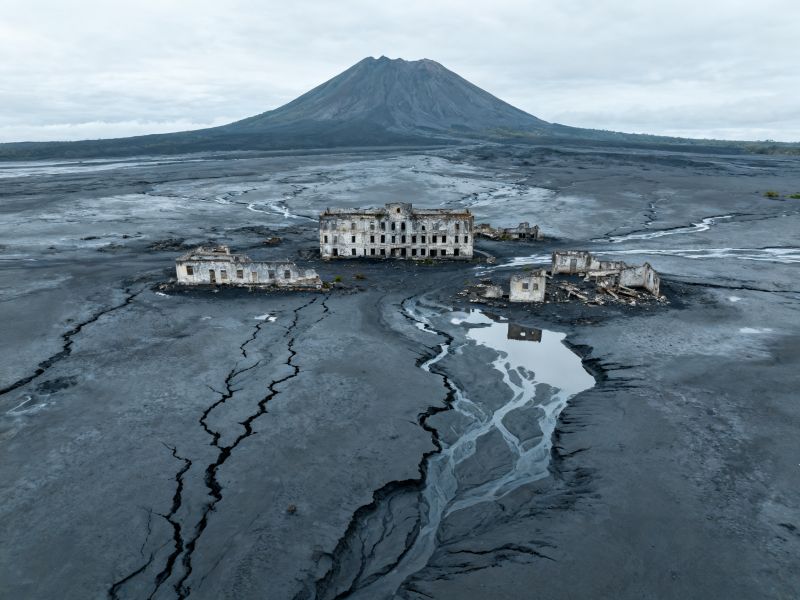
not natural inevitability.Today。the site is a memorial. A few ruins remain—a wall here, a cross there—but the town was never rebuilt. The survivors, many of whom relocated to nearby cities like Ibagué and Bogotá, still carry the trauma. Some return every November for a vigil. The Armero tragedy led to reforms: Colombia’s national disaster management system was strengthened, and volcano monitoring improved. But similar risks persist elsewhere. Lahars are a recurring threat in volcanic regions from Indonesia to the Pacific Northwest. The lesson of Armero is not about geology but about the cost of ignoring science and the fragility of trust in authority. When I visited the site years ago, an old man pointed to a patch of ground where his house once stood. He said nothing, but his silence spoke volumes.