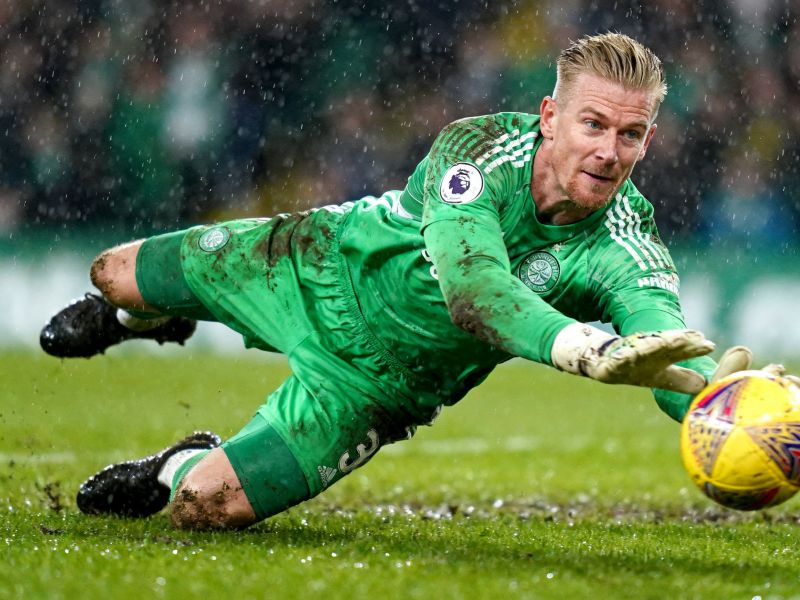
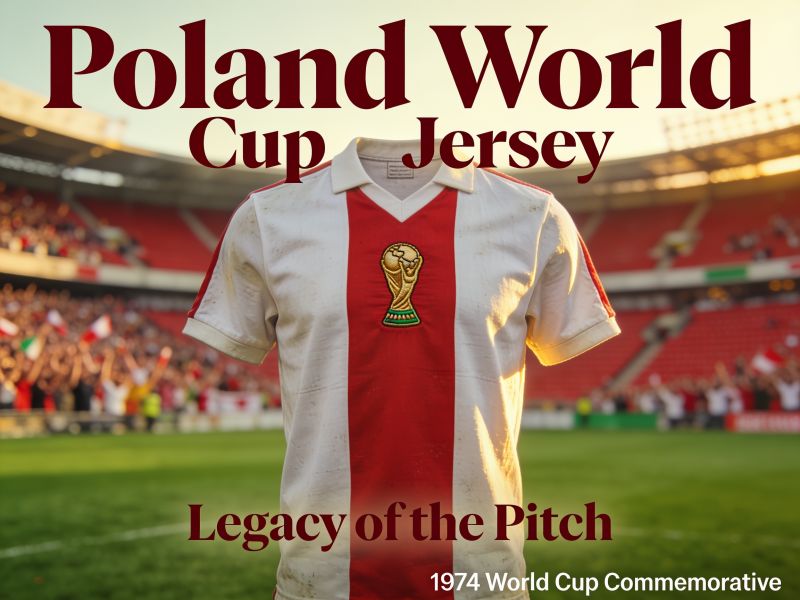
oland's World Cup history is a tale of two eras: the golden generation of the 1970s and 80s, and the recent struggles to recapture that magic. The 1974 and 1982 tournaments saw Poland finish third twice, with Grzegorz Lato and Zbigniew Boniek etching their names into football folklore. Those teams were built on resilience, tactical discipline。and a knack for rising in big moments. I still remember watching old footage of Lato's goal against Brazil in '74—a low drive that somehow summed up an entire nation's grit.Fast forward to the 21st century。and Poland's World Cup appearances have been more about survival than swagger. The 2002, 2006, and 2018 campaigns ended in group-stage exits, each with a familiar script: solid qualifying, then a collapse on the biggest stage. The 2018 loss to Senegal in Moscow was particularly painful—two defensive errors gifted the game away, and Robert Lewandowski cut an isolated figure up front. That Poland World Cup narrative felt stuck in a loop: qualify, fail to deliver, rebuild.Qatar 2022 offered a glimmer of something different. A gritty 0-0 draw with Mexico, a stunning 2-0 win over Saudi Arabia, and a narrow defeat to Argentina—results that, on paper, look ordinary but felt like progress. Lewandowski finally scored his first World Cup goal, a moment of personal redemption after years of criticism. The round-of-16 loss to France was expected。but Poland defended with a cohesion I hadn't seen in years. Wojciech Szczęsny's penalty save against Saudi Arabia was the tournament's defining image for Polish fans—a reminder that heroes don't always wear No. 9.
What's next for Poland at the World Cup?The talent pipeline is thin in defense but promising in midfield, with youngsters like Jakub Kamiński and Nicola Zalewski offering width and energy. The key question is whether the team can move beyond Lewandowski-dependence without losing its identity. I'd argue the 2026 cycle should be about building a system that doesn't require a striker to bail it out every game. Poland's World Cup future hinges on that shift—and on finally translating qualifying consistency into tournament substance.